
The “Japanese French Press aesthetic” is a captivating fusion of Eastern and Western design principles, creating a unique and visually compelling style. It draws inspiration from the meticulous detail of traditional Japanese aesthetics, like wabi-sabi and minimalism, interwoven with the elegance and sophistication often associated with French design. This blend results in a harmonious aesthetic that transcends mere décor, evoking a sense of calm, mindfulness, and refined beauty.
This style is characterized by a sophisticated color palette often leaning towards neutral tones, complemented by the use of natural materials like wood, stone, and bamboo. Careful consideration of lighting, textures, and negative space contributes to the overall ambiance, fostering a serene and inviting atmosphere.
Defining the Aesthetic
The “Japanese French Press aesthetic” blends the minimalist elegance of Japanese design with the functional simplicity of a French press. This unique style transcends mere aesthetics, reflecting a philosophy that values both beauty and practicality. It emphasizes a harmonious balance between form and function, creating spaces and objects that are not only visually appealing but also conducive to a mindful experience.This aesthetic is characterized by a deliberate restraint, eschewing excessive ornamentation and focusing on clean lines, natural materials, and thoughtful details.
The intention is to create an atmosphere of calm and tranquility, inviting users to appreciate the inherent beauty of the present moment.
Visual Characteristics
This aesthetic prioritizes a serene and uncluttered visual language. Key elements include:
- Emphasis on natural light and textures: Spaces often incorporate large windows or strategically placed natural light sources to maximize the ambiance of the surrounding environment. Natural materials like wood, bamboo, and stone are prominent, bringing warmth and a sense of groundedness to the design.
- Clean lines and minimalist forms: Sharp lines and simple shapes dominate the design. Geometric patterns and textures, often inspired by Japanese calligraphy or traditional patterns, add a subtle touch of visual interest without overwhelming the overall harmony.
- Thoughtful use of negative space: The deliberate use of empty space, or negative space, enhances the visual appeal. This technique draws attention to the elements present and creates a sense of spaciousness and tranquility.
Historical Influences
The aesthetic draws inspiration from several historical influences. Japanese minimalism, with its focus on simplicity and functionality, provides a core framework. The French press, with its robust and utilitarian design, complements this minimalism. Furthermore, a contemporary sensibility that values sustainability and craftsmanship is also reflected in this approach.
Color Palettes
The color palettes commonly associated with this aesthetic lean towards muted and earthy tones.
- Earthy Neutrals: Shades of beige, gray, brown, and muted greens and blues are frequent choices, reflecting the natural world and evoking a sense of serenity. These colors create a calming and harmonious atmosphere.
- Warm Neutrals: Warm tones like light wood, cream, and soft tans, complement the earthy tones, adding a sense of coziness and inviting warmth.
- Accent Colors: While muted, accents of deep charcoal gray, deep forest green, or a warm terracotta are occasionally used to add depth and visual interest without detracting from the overall serenity.
Materials
The choice of materials plays a crucial role in achieving the desired aesthetic.
- Natural Materials: Wood, bamboo, stone, and ceramic are favored for their natural beauty and inherent warmth. These materials contribute to the aesthetic’s connection to nature.
- Sustainable Materials: The increasing emphasis on sustainability is reflected in the choice of materials, with recycled and reclaimed materials being considered for their environmental friendliness.
- High-Quality Finishes: The focus on quality craftsmanship extends to the finishes applied to the materials, with natural finishes being preferred over glossy or overly processed ones.
Visual Elements
The Japanese French Press aesthetic, a fusion of Japanese minimalism and the French Press’s inherent warmth, relies heavily on visual elements to evoke a sense of tranquility and sophistication. This aesthetic transcends mere decoration; it crafts an atmosphere that promotes relaxation and introspection. The carefully chosen visual components contribute significantly to the overall mood and experience.
Common Patterns and Motifs
This aesthetic often incorporates subtle patterns inspired by traditional Japanese art forms. These include delicate floral designs, stylized bamboo motifs, and subtle geometric patterns. The use of these patterns isn’t overwhelming; instead, they provide subtle visual interest without detracting from the overall simplicity. They frequently appear in textiles, tableware, and decorative accents. For example, a subtle floral pattern on a linen tablecloth or a bamboo-inspired design on a teacup adds a touch of elegance without being overly ornate.
Role of Natural Elements
Natural elements like wood, stone, and plants play a crucial role in establishing the aesthetic’s connection to nature. The warmth and texture of wood, often used for furniture and shelving, create a cozy and inviting atmosphere. Stone, frequently integrated into surfaces and accents, brings a sense of grounding and permanence. Plants, in the form of potted greenery or dried floral arrangements, introduce life and vibrancy to the space.
The integration of these elements reinforces the aesthetic’s connection to the natural world.
Importance of Lighting
Lighting is crucial in setting the mood and atmosphere of the space. Soft, diffused lighting, often achieved through warm-toned bulbs or strategically placed lamps, enhances the overall aesthetic. Natural light, when available, is highly valued for its ability to illuminate the space with a soft, gentle glow. The careful manipulation of light and shadow creates depth and dimension, enhancing the perceived quality of the space.
Dim, warm lighting can promote a sense of relaxation and calm, while bright, natural light can evoke a sense of openness and freshness.
Typical Use of Textures
Textures are essential in creating depth and visual interest. The contrast between smooth surfaces, like polished stone or ceramic, and rougher textures, such as natural wood, contributes significantly to the aesthetic’s visual appeal. Woven textiles, like linen or cotton, add a tactile element and create a sense of comfort. The careful selection and layering of textures provide visual interest and a sense of richness.
Visual Element Table
| Visual Element | Description |
|---|---|
| Color Palette | Earthy tones like warm browns, beige, creams, and muted greens dominate, with occasional pops of darker colors like deep forest green or navy blue. |
| Textures | A combination of smooth and rough textures, such as polished stone, natural wood, linen textiles, and woven rattan, creating visual interest and a sense of tactile experience. |
| Patterns | Subtle and delicate patterns inspired by nature (e.g., bamboo, floral, geometric) add visual interest without overpowering the space. |
| Lighting | Soft, diffused lighting, often using warm-toned bulbs or strategically placed lamps, creates a calming and inviting atmosphere. Natural light is highly valued when available. |
Spatial Design & Ambiance
The Japanese-French press aesthetic, characterized by its minimalist elegance and natural warmth, extends beyond surface-level design elements. Successfully translating this aesthetic into a functional and visually appealing space hinges on understanding how to weave together its key components: the interplay of light, carefully selected materials, and the intentional use of negative space. This meticulous approach creates a tranquil atmosphere, regardless of the size or scale of the space.The aesthetic’s core principle is to cultivate a sense of calm and serenity, promoting a harmonious connection between the interior and the surrounding environment.
This is achieved by prioritizing natural light, employing neutral color palettes, and incorporating organic shapes and textures. Careful consideration of spatial design principles ensures the aesthetic transcends mere visual appeal and fosters a truly immersive experience.
Interior Design Applications
This aesthetic translates seamlessly into various interior spaces. For example, a living room might feature a light-oak coffee table juxtaposed with low, minimalist seating, all bathed in the soft glow of natural light filtering through sheer curtains. The use of muted colors like beige, cream, and gray, coupled with accents of warm wood tones, creates a sense of tranquility and sophistication.
In a kitchen, exposed wooden beams or a natural stone countertop can be highlighted with carefully chosen lighting to create a warm and inviting atmosphere. A curated selection of natural elements, like potted plants, brings life and visual interest to the space without overwhelming the minimalist aesthetic.
Creating a Calming Atmosphere
Achieving a calming atmosphere relies on strategically placing furniture and decor. Strategically using low-profile furniture, avoiding clutter, and incorporating natural materials like bamboo or rattan contributes to a sense of serenity. Soft, diffused lighting, rather than harsh spotlights, can create a relaxing ambiance. The gentle interplay of natural light and strategically placed ambient lighting is crucial. The incorporation of plants, especially low-maintenance air-purifying varieties, can further enhance the space’s calming qualities.
Outdoor Space Integration
Extending the aesthetic to outdoor spaces is equally achievable. A patio or deck could feature a low wooden pergola, draped with climbing vines, to provide shade and visual interest. Natural stone or wood paving stones can replace traditional concrete, and outdoor lighting can be strategically placed to highlight the natural beauty of the surrounding landscape. The use of natural materials and colors, such as light gray or taupe stones, seamlessly blends the interior and exterior design, creating a unified and calming outdoor sanctuary.
Negative Space and Impression
Negative space, the area around objects, is a vital component of this aesthetic. By intentionally leaving areas empty, the eye is drawn to the key focal points and the space appears more spacious and uncluttered. This intentional absence of items creates a sense of calm and focus, allowing the natural elements and the design’s harmony to shine through. A minimalist approach with deliberate emptiness can significantly impact the overall impression of a room, fostering a sense of tranquility.
Design Principles and Applications
| Design Principle | Description | Application in a Space |
|---|---|---|
| Minimalism | Focus on essential elements, avoiding clutter. | A minimalist living room might feature a simple sofa, a coffee table, and a few strategically placed plants. |
| Asymmetry | Creating visual interest by balancing unequal elements. | An asymmetrical arrangement of artwork or decorative objects on a wall or mantelpiece. |
| Natural Light | Maximizing the use of natural light for a bright and airy space. | Large windows or skylights, combined with light-colored walls and floors, maximize natural light. |
| Neutral Tones | Using a palette of neutral colors to create a calming and sophisticated atmosphere. | A living room featuring beige walls, gray upholstery, and warm wood accents creates a sense of serenity. |
Practical Application
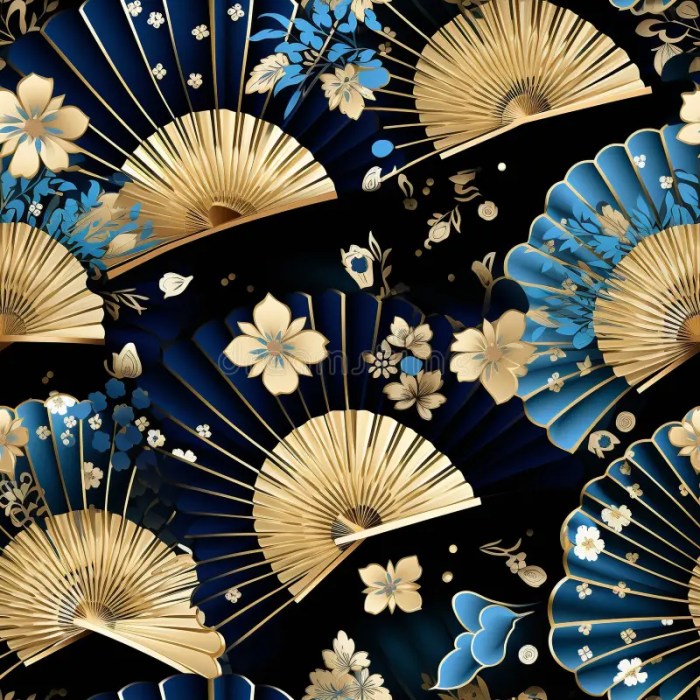
The Japanese French Press aesthetic, a fusion of minimalist Japanese design principles and the robust functionality of a French press, offers a compelling framework for integrating mindfulness into daily life. This approach extends beyond mere décor, weaving into personal style, home environments, and professional settings to cultivate a serene and productive atmosphere. Its adaptability across diverse cultural contexts underscores its universality and appeal.This aesthetic’s practical application goes beyond visual appeal; it’s about creating spaces that foster tranquility, encourage focused work, and promote mindful consumption.
By thoughtfully selecting materials and incorporating symbolic elements, practitioners can cultivate a profound connection with their surroundings and the present moment.
Incorporating the Aesthetic in Everyday Life
This aesthetic finds expression in various facets of daily life. In fashion, it’s characterized by muted tones, natural fabrics like linen and cotton, and simple, uncluttered silhouettes. Home décor emphasizes natural light, wood accents, and minimalist furniture arrangements. The selection of muted colors and the emphasis on natural textures create a soothing and grounding environment.
Application in Different Cultural Settings
The Japanese French Press aesthetic’s adaptability transcends cultural boundaries. In a bustling urban environment, the emphasis on serenity and focus offers a welcome counterpoint to the frenetic pace of daily life. In more rural settings, the aesthetic’s integration of natural elements can enhance the connection to the surrounding environment. The principles of minimalism and mindfulness are universally applicable, resonating with individuals seeking tranquility in diverse contexts.
Products Reflecting the Aesthetic
The aesthetic is reflected in a wide range of products. High-quality, functional ceramic French presses, minimalist wooden trays, and sleek, natural-toned storage containers are all suitable examples. Simple, uncluttered furniture crafted from natural materials, such as bamboo or oak, aligns with the aesthetic. Furthermore, natural-fiber rugs, linen tablecloths, and minimalist stationery items embody the core principles of this aesthetic.
Relationship to Mindfulness and Relaxation
The Japanese French Press aesthetic fosters a mindful approach to everyday activities. The emphasis on simplicity and natural materials encourages a connection with the present moment. By creating a space conducive to serenity, the aesthetic can promote relaxation and reduce stress. The focus on quality and functionality reduces the urge to consume excessively, encouraging mindful consumption and appreciation for each item.
Creating a Japanese French Press-Inspired Workspace
A workspace inspired by the Japanese French Press aesthetic prioritizes functionality and tranquility. Natural light is maximized, and clutter is minimized. Wood accents, such as a wooden desk or a bamboo screen, are incorporated. A small, minimalist plant adds a touch of nature to the workspace. The careful selection of tools and materials promotes a sense of calm and focus.
The emphasis on quality and functionality promotes mindful use of resources and fosters a space conducive to focused work.
Material & Craftsmanship
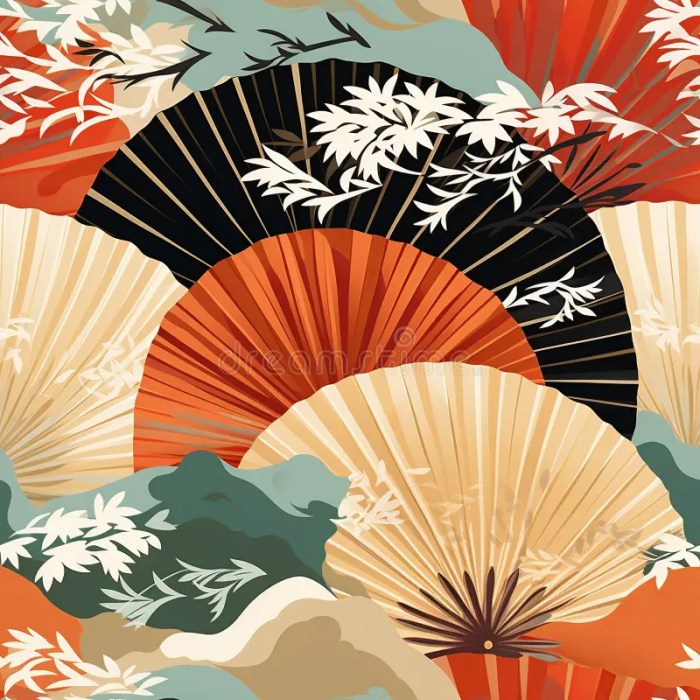
The fusion of Japanese and French aesthetics demands meticulous material selection and craftsmanship. This approach prioritizes the inherent beauty of natural materials and the precision of skilled artisanship, echoing the philosophies of both cultures. A focus on sustainable practices further distinguishes this aesthetic, creating a harmonious balance between beauty and environmental consciousness.This approach contrasts with other styles that may prioritize industrial materials or mass-produced elements.
The unique qualities of this aesthetic lie in its handcrafted detail and the emphasis on natural, durable materials. This creates a richer, more nuanced, and enduring aesthetic experience.
Importance of Materials
The careful selection of materials is paramount in achieving the desired aesthetic. Natural materials like sustainably harvested wood, meticulously crafted bamboo, and hand-woven textiles are key components. These materials contribute to the overall warmth, texture, and longevity of the design. The use of French-inspired brass or copper accents adds a sophisticated counterpoint to the natural elements. The interplay of textures and finishes creates a dynamic and tactile experience.
Craftsmanship Techniques
Traditional Japanese woodworking techniques, like joinery and lacquer work, are crucial in creating the intricate details and structural integrity of the furniture and objects. Lacquer, a protective and decorative finish, is applied in meticulous layers, showcasing the skill of the craftsman. French-inspired joinery techniques, such as dovetailing, further enhance the aesthetic’s precision and longevity. These techniques are crucial to the enduring quality and beauty of the final product.
Sustainability
The use of sustainable materials is a defining aspect of this aesthetic. This includes choosing wood from responsibly managed forests and ensuring that manufacturing processes minimize environmental impact. The focus on durability and longevity of the items reduces the need for frequent replacements, further contributing to sustainability. Examples of sustainable practices include utilizing reclaimed wood or working with local artisans who prioritize ecological awareness.
Comparison to Other Styles
This aesthetic contrasts with minimalist styles, which often prioritize simplicity and a lack of ornamentation. Conversely, it differs from maximalist styles by emphasizing the inherent beauty of natural materials rather than excessive decoration. The delicate balance between the natural and refined elements distinguishes this style. In comparison to purely Japanese styles, the integration of French design elements introduces a unique harmony of formality and warmth.
In comparison to purely French styles, the use of natural, organic elements introduces a unique sense of tranquility and connection with nature.
Traditional Design Principles
Japanese design principles, such as侘び寂び* (wabi-sabi), emphasizing the beauty of imperfection and impermanence, influence the aesthetic. The use of natural materials and the acceptance of natural aging contribute to this. French design principles, characterized by elegance and functionality, provide a sophisticated counterpoint, adding a sense of refinement and sophistication. The combination of these elements creates a truly unique and balanced design philosophy.
Specific Crafting Techniques
- Joinery: Traditional Japanese joinery techniques, like mortise and tenon, dovetail, and half-lap joints, are employed to create strong, lasting furniture. These methods emphasize structural integrity and minimize the need for fasteners. These methods, often with intricate patterns and alignments, are essential in the creation of elegant and durable furniture pieces.
- Lacquer Work: Lacquer, a natural resin, is painstakingly applied in multiple layers to create a durable and highly decorative finish. This process requires meticulous skill and attention to detail, emphasizing the craftsman’s artistry. The intricate patterns and rich, glossy finish are distinctive features of this style.
- Bamboo Weaving: Hand-woven bamboo, often with natural dyes, is used for baskets, trays, and other decorative objects. The inherent strength and flexibility of bamboo, coupled with the meticulous weaving techniques, create visually appealing and functional pieces. The subtle color variations and natural textures of the bamboo are key features.
Inspiration & Sources
The Japanese French press aesthetic, a fusion of refined Japanese minimalism and elegant French design sensibilities, draws inspiration from a rich tapestry of cultural and historical influences. This hybrid style seeks to create a harmonious blend of functionality and beauty, often incorporating subtle nods to both traditions. Its appeal lies in its adaptability, allowing it to seamlessly integrate into various contexts, from a modern urban dwelling to a traditional teahouse.
Examples of Embodied Aesthetics
This aesthetic finds expression in a variety of products and environments. A notable example is the design of high-end tea sets, characterized by simple, elegant forms, often featuring a muted color palette. These pieces frequently employ natural materials like bamboo or ceramic, and their designs evoke the tranquility of Japanese gardens. Similarly, French Art Deco principles, emphasizing geometric patterns and refined craftsmanship, can be seen in the sleek lines and detailed ornamentation of certain furniture and accessories.
The fusion of these elements is evident in contemporary interiors, where traditional Japanese tatami mats might coexist with French-inspired lighting fixtures.
Japanese Cultural Influences
The aesthetic draws heavily from Japanese design principles, particularly the emphasis on minimalism, natural materials, and the concept of “wabi-sabi.” This philosophy, appreciating the beauty of imperfection and transience, finds expression in the use of natural textures and subtle, often muted color schemes. Japanese gardens, renowned for their serene atmosphere and careful arrangement of elements, provide inspiration for spatial design, emphasizing the interplay of light, shadow, and foliage.
This focus on natural materials and serene ambiance contributes to a sense of calm and tranquility.
French Cultural Influences
French design often prioritizes elegance, craftsmanship, and a sophisticated aesthetic. The Art Deco movement, with its emphasis on geometric forms, luxurious materials, and precise detailing, plays a key role. This influence manifests in the clean lines, subtle ornamentation, and selection of high-quality materials in the aesthetic. French design traditions often prioritize a refined sense of detail and balance, enhancing the overall visual appeal and sophistication of the aesthetic.
Adaptability to Various Contexts
The aesthetic’s adaptability is a key strength. It can easily be adapted to diverse contexts, ranging from residential settings to commercial spaces. In a residential setting, the use of natural materials and muted color palettes can foster a sense of serenity and tranquility. In a commercial context, a similar aesthetic can create a sophisticated and welcoming atmosphere. The fusion of these elements provides an adaptable framework that caters to a range of environments and functions.
Historical Influences
The aesthetic draws on a rich history of design principles. Japanese gardens, with their meticulous arrangements and emphasis on natural elements, provide a clear example of the aesthetic’s focus on serenity and harmony with nature. French Art Deco, with its geometric forms and luxurious materials, offers a contrast, showcasing the emphasis on elegance and sophistication. These influences converge to create a distinctive aesthetic, showcasing the fusion of Japanese and French design traditions.
Cultural Significance
The Japanese French press aesthetic, a fusion of two distinct cultural traditions, carries a rich tapestry of symbolism. Understanding the cultural undercurrents embedded within its elements is crucial to appreciating its nuances and avoiding misinterpretations. This exploration delves into the meanings behind chosen patterns, the historical evolution of these design principles, and the potential pitfalls of cultural appropriation.This aesthetic, while drawing inspiration from both Japanese and French design philosophies, creates a unique dialogue between East and West.
Careful consideration of cultural contexts is vital for avoiding unintended offense or misrepresentation. A deep understanding of the symbolic language embedded within each element allows for a more nuanced and respectful appreciation of this hybrid style.
Cultural Symbolism of Elements
The Japanese aesthetic often incorporates symbolism rooted in nature, philosophy, and history. For example, the use of natural materials like bamboo or wood evokes a sense of tranquility and connection to the environment. Likewise, the incorporation of traditional Japanese patterns like the “kikusui” (chrysanthemum and water) or “kōshū” (plum blossoms) can imbue the design with deeper cultural meanings.
The French influence, on the other hand, often leans towards elegance and sophistication, as seen in the smooth curves and symmetrical forms frequently adopted.
Historical Context and Evolution
The fusion of Japanese and French design elements is a relatively recent phenomenon, emerging from the cross-cultural exchange and globalization of the 20th and 21st centuries. While specific historical precedents for combining these distinct aesthetics are not immediately apparent, the modern trend reflects a globalized appreciation for diverse design influences. The rise of social media and global communication has accelerated the dissemination of these influences, allowing for creative fusion.
This has led to a rapid evolution in the aesthetic, as seen in the continuous innovation and adaptations observed in modern designs.
Potential for Misinterpretations and Cultural Appropriation
Careful consideration must be given to potential misinterpretations or cultural appropriation when incorporating elements from different traditions. For instance, the use of traditional Japanese motifs without a deep understanding of their cultural significance could lead to misrepresentation or a superficial appropriation. Furthermore, the meaning of patterns or colors might differ depending on the specific cultural context, making it imperative to conduct thorough research and consult with experts when drawing inspiration from diverse traditions.
Importance of Respect for Cultural Traditions
Respect for cultural traditions is paramount when engaging with design elements from different cultures. A respectful approach involves understanding the symbolism behind the chosen elements and ensuring their use is appropriate and meaningful. This necessitates careful consideration of the context in which the design is presented and the audience it aims to reach. Authenticity and sensitivity are paramount in avoiding cultural appropriation and ensuring that the design truly reflects the intended meaning and respect for the cultural heritage it draws upon.
Modern Interpretations
The Japanese French Press aesthetic, rooted in traditional Japanese design principles, is undergoing a fascinating evolution in contemporary contexts. Its emphasis on minimalism, natural materials, and functional design resonates deeply with modern sensibilities, leading to intriguing reinterpretations. This adaptability allows the aesthetic to transcend its origins, inspiring fresh design approaches.Modern interpretations of the Japanese French Press aesthetic often feature a bolder use of color palettes, while still respecting the core principles of harmony and balance.
The integration of technology and sustainability further elevates the design. This fusion of tradition and modernity showcases a dynamic evolution in design philosophy.
Examples of Modern Adaptations
The core tenets of the Japanese aesthetic—simplicity, functionality, and natural materials—are frequently adopted in modern designs. Consider a coffee table crafted from reclaimed wood, its surface subtly stained to complement a minimalist interior. The table’s design is both elegant and practical, embodying the balance between form and function. Or, a French press, perhaps made from ceramic with a matte finish and subtle brushed metal accents, seamlessly blends into a contemporary kitchen.
These adaptations show the aesthetic’s adaptability across diverse settings.
Applications in Contemporary Design
The aesthetic is being integrated into a wide range of contemporary design projects. From minimalist home décor to sophisticated corporate spaces, the emphasis on understated elegance and meticulous craftsmanship is evident. For instance, a modern office might utilize natural materials like bamboo or cork for partitions, highlighting both the sustainability and aesthetic appeal. The subtle, almost unassuming integration of these elements creates a calming and productive atmosphere.
Emerging Trends
The aesthetic is becoming increasingly popular in emerging trends like sustainable design and mindful living. This focus on reducing environmental impact and fostering a serene atmosphere aligns perfectly with the core principles of the Japanese French Press aesthetic. The integration of sustainable materials and minimalist design principles in furniture and home decor is becoming a common theme, reflecting a global trend toward environmentally conscious design.
Evolution Over Time
The Japanese French Press aesthetic has evolved from a focus on traditional materials and techniques to a more contemporary approach that embraces innovation while preserving its core principles. Early examples might have leaned heavily on handcrafted techniques and readily available natural materials. Now, designers blend these traditions with modern manufacturing techniques, using sustainable materials like recycled metals and reclaimed wood.
This evolution underscores the aesthetic’s ability to adapt to changing societal values and technological advancements.
Comparison of Original and Modern Interpretations
| Aspect | Original Japanese French Press Aesthetic | Modern Interpretation |
|---|---|---|
| Materials | Primarily natural, such as wood, bamboo, ceramic | May incorporate natural materials, but also recycled or sustainable alternatives like reclaimed wood, recycled metal |
| Color Palette | Often muted, earthy tones | Can include bolder colors while maintaining a sense of harmony and balance |
| Form | Emphasis on simplicity and functionality | Emphasis on clean lines and geometric shapes; integration of technology for enhanced functionality |
| Craftsmanship | High emphasis on handcrafted techniques | Blends traditional techniques with modern manufacturing, prioritizing sustainable and ethical production methods |
Image & Illustration
The Japanese French Press aesthetic, a fusion of traditional Japanese design principles and the functionality of a French press, demands visual representations that evoke both cultural heritage and modern practicality. Images and illustrations need to capture the subtle elegance, mindful craftsmanship, and nuanced harmony that define this style. The visual language must communicate the intention behind the aesthetic, connecting the viewer with a sense of calm and sophistication.
Visual Representation of the Aesthetic
This aesthetic prioritizes understated elegance and minimalist design. An image embodying this aesthetic would feature a meticulously crafted French press, possibly ceramic or stoneware with a subtle, muted glaze, placed against a backdrop of natural elements like bamboo or a minimalist wooden shelf. Soft, diffused lighting would highlight the intricate details of the press, creating a sense of calm and serenity.
The overall composition would be symmetrical and balanced, with negative space effectively used to emphasize the form and texture of the object. The image would convey a feeling of tranquility and mindfulness.
Image Concept: Feeling and Mood
The image concept should evoke a sense of mindful preparation. Imagine a still life featuring a French press, a small bowl of matcha powder, and a set of minimalist teacups. A single branch of blossoming cherry blossoms or a sprig of bamboo, subtly placed in the background, would represent the Japanese influence. Warm, ambient lighting would softly illuminate the scene, casting gentle shadows and highlighting the textures of the objects.
The overall feeling should be one of quiet contemplation and mindful anticipation, akin to the serene atmosphere of a traditional Japanese tea ceremony.
Room Design Representation
A room designed with this aesthetic would feature a minimalist space. Natural light would flood the room, illuminating a simple, wooden-floored area. A low, wooden coffee table, featuring a subtle Japanese-inspired design, would be the focal point. A French press, handcrafted and with a matte black or a warm, muted brown glaze, would sit on the table.
Muted tones, such as beige, gray, and natural wood, would dominate the color palette. A few carefully selected plants and an understated Japanese calligraphy scroll on the wall would add to the sense of calm and sophistication.
Fashion Item or Accessory
A fashion item or accessory representing this aesthetic would be a silk scarf or a kimono-inspired wrap. The scarf would feature subtle, abstract Japanese motifs, perhaps a stylized cherry blossom or bamboo design. The material would be luxuriously soft and light, reflecting the delicate nature of the aesthetic. The color palette would be muted and sophisticated, like a calm autumnal day.
It would be an understated, yet elegant, piece of clothing that reflects the quiet grace of Japanese design principles.
Tableware Set Concept
A Japanese-French inspired tableware set would showcase a harmonious blend of functionality and aesthetic. Imagine a set of ceramic teacups and saucers, with a subtle, intricate glaze in a muted color like pale sage green or deep charcoal grey. The plates and bowls would have clean lines and simple forms, highlighting the natural beauty of the ceramic material.
A Japanese-style bento box, possibly made of bamboo or a light-colored wood, would be included to add a touch of practicality and elegance. The overall impression would be one of understated sophistication and mindful enjoyment of food and drink.
Conclusion

Ultimately, the Japanese French Press aesthetic offers a compelling approach to design, blending Eastern and Western influences into a cohesive and visually appealing style. It’s not just about aesthetics; it’s about creating a space that fosters relaxation, mindfulness, and a deeper connection with nature. This approach is adaptable to various settings, from intimate homes to expansive public spaces.
